
Benign Prostatic Hyperplasia
Benign prostatic hyperplasia is a non-cancerous enlargement of the prostate, the small gland that sits below the bladder, makes semen and controls the flow of urine. As it grows it presses on the urethra, so the problems it causes are urinary. It is common after 50 and not usually serious.
Medicines used to treat Benign Prostatic Hyperplasia







Key points
- Difficulty starting, a weak or interrupted stream, a feeling of incomplete emptying and dribbling afterwards are the usual symptoms.
- Not everyone needs treatment; it depends on the symptoms and how much they interfere, and lifestyle change is usually tried first.
- Being unable to pass urine at all, or seeing blood in the urine, needs prompt assessment.
What it is and why it grows
The gland sits just below the bladder and produces fluid that nourishes sperm. Hormonal shifts with age, particularly in testosterone and dihydrotestosterone (DHT), drive slow enlargement. This happens to almost every man eventually, though how much it disturbs urination varies widely.
Symptoms
A weak or interrupted stream, difficulty starting, a feeling that the bladder has not emptied, and dribbling afterwards are typical. Many men also need to go often, including several times at night (nocturia), and some feel a sudden urge that is hard to put off.
How it is treated
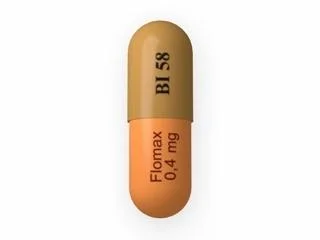
Alpha blockers relax the smooth muscle of the prostate and bladder neck and improve flow quickly; tamsulosin (Flomax) and alfuzosin (Uroxatral) work this way. Dutasteride (Avodart) and finasteride (Proscar, Fincar) block DHT and shrink the gland over several months. Jalyn combines dutasteride with tamsulosin. Tadalafil (Cialis, Megalis, Tadora) is also used, particularly where erectile dysfunction occurs alongside urinary symptoms. Cutting back on evening fluids, caffeine and alcohol, and bladder training, can ease night-time trips and urgency. Orders are shipped to Malaysia from pharmacy partners in India in discreet packaging.
When to see a doctor
A complete inability to pass urine, or blood in the urine, needs prompt assessment rather than waiting. The same symptoms can also come from more serious conditions, including prostate cancer, so they are worth checking rather than putting down to age.
What the sources say
- An enlarged prostate is common, is not usually serious, and does not always need treatment (NHS).
- The prostate is a small gland below the bladder that makes semen and controls the flow of urine (NHS).
- It is most common in men over 50 and can affect anyone with a prostate (NHS).
- Alpha blockers such as tamsulosin, doxazosin or alfuzosin are used to make passing urine easier (NHS).
Further reading
FAQ
What is benign prostatic hyperplasia?
Benign prostatic hyperplasia is a non-cancerous enlargement of the prostate, the small gland below the bladder that makes semen and controls the flow of urine. It is common after 50 and not usually serious.
What are the symptoms of an enlarged prostate?
Typical symptoms include a weak or interrupted stream, difficulty starting, a feeling that the bladder has not emptied, and dribbling afterwards. Many men also need to go often, including several times at night, and some feel a sudden urge that is hard to put off.
How is benign prostatic hyperplasia treated?
Treatment depends on symptoms and how much they interfere, and lifestyle change is usually tried first. Alpha blockers such as tamsulosin and alfuzosin relax the smooth muscle of the prostate and bladder neck and improve flow quickly. Dutasteride and finasteride block DHT and shrink the gland over several months.
What can I order for benign prostatic hyperplasia?
The medicines listed for benign prostatic hyperplasia include ones with tadalafil, dutasteride and tamsulosin, for example Avodart and Flomax. Each product page shows its strengths and forms.
When should I see a doctor about an enlarged prostate?
A complete inability to pass urine, or blood in the urine, needs prompt assessment rather than waiting. The same symptoms can also come from more serious conditions, including prostate cancer, so they are worth checking rather than putting down to age.
Can I order medicines for benign prostatic hyperplasia online in Malaysia?
Yes. Our pharmacy partners send orders from India to Malaysia in plain, discreet packaging. Express Tracked Courier takes up to 1 week; Standard Airmail can take up to 3 weeks.
How ordering works →Last updated