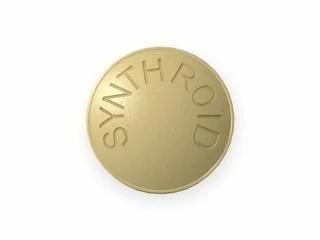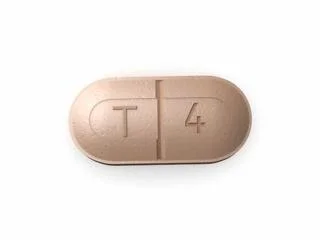
Levothroid
25 · 50mcg
Levothroid is a levothyroxine tablet for hypothyroidism and thyroid-stimulating hormone suppression. You can compare the price per tablet across options.
FromUS$0.15/ tabletView
TSH suppression is a strategy used in thyroid cancer care, not a condition in itself. Levothyroxine at doses above ordinary replacement level brings thyroid-stimulating hormone below the low end of the normal range. It is generally reserved for more advanced disease.
25 · 50mcg
Levothroid is a levothyroxine tablet for hypothyroidism and thyroid-stimulating hormone suppression. You can compare the price per tablet across options.
After surgery or radioiodine for differentiated thyroid cancer, a low TSH reduces the growth signal reaching any remaining thyroid tissue. More advanced cancers generally need higher levothyroxine doses to bring TSH below the low end of normal.
Levothyroxine is the medicine used for suppression. Taken daily above replacement level, it raises circulating T4 and T3, so the pituitary gland makes less TSH. Free T4 and TSH tests guide the dose. Levothroid tablets come in 25 and 50mcg; Synthroid tablets in 25, 50, 75, 100, 125 and 200mcg. Both are also used for hypothyroidism. Pharmacy partners in India ship to Malaysia in discreet packaging.
Suppressive doses sit above normal replacement, so signs of excess thyroid hormone need watching. These include persistent anxiety, a fast or irregular heartbeat and reduced bone density. Blood tests and follow-up examinations are part of ongoing thyroid health care.
Last updated