
Amoxicillin
Amoxicillin is a penicillin antibiotic, and more specifically an aminopenicillin. It treats bacterial infections, including chest infections and dental abscesses, and it is given with other medicines to treat stomach ulcers. Its action is on the bacterial cell wall, and susceptible bacteria are killed while they are multiplying.
Key points
- A dose begins to act within 1 to 2 hours of being taken, and the effect of a dose lasts around 6 to 8 hours.
- The half-life is about 61 minutes, and roughly 60% of an oral dose is excreted in the urine within 6 to 8 hours.
- The full course of treatment should be completed, and signs of infection monitored while it continues.
What amoxicillin is used for
Amoxicillin treats infections caused by susceptible bacteria. Chest infections and dental abscesses are common examples, and other uses include ear infections, sinusitis, urinary tract infections and skin infections, along with bronchitis and pneumonia. It is also given with other medicines to treat stomach ulcers linked to Helicobacter pylori. Not every organism responds, so treatment is matched to the bacteria involved.
The infection being treated guides the choice of strength, the form of the medicine and the length of the course. For more on the condition, see Bacterial Infection.
How it works
Amoxicillin prevents the bacterial cell wall from being made. It binds to penicillin-binding proteins, which carry out the final stages of wall assembly. Once those stages are blocked, the wall is incomplete and the bacterium dies rather than simply pausing its growth.
A bacterium depends on its wall to withstand the pressure inside it, so an intact wall is essential to survival. Human cells have no wall of this kind, which is why the effect falls on bacteria rather than on the body’s own tissue.
Forms and brands
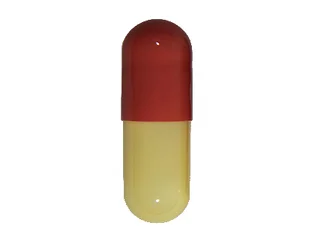
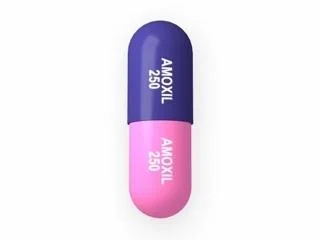
Amoxicillin comes as tablets and capsules. Cenmox tablets are supplied in 250 mg and 500 mg, and Amoxil capsules in 250 mg, 500 mg, 625 mg and 1000 mg. Both contain amoxicillin as the only active ingredient, and both belong to the Antibiotics category.
Orders are prepared by pharmacy partners in India and shipped to Malaysia in discreet packaging.
Safety
Amoxicillin is not suitable for anyone who has had a serious hypersensitivity reaction, such as anaphylaxis or Stevens-Johnson syndrome, to amoxicillin or to another beta-lactam antibiotic. Penicillins and cephalosporins are both beta-lactams.
Nausea and diarrhoea are the minor effects. Rash and urticaria can also appear. A skin rash should be reported promptly, particularly if it comes with itching or difficulty breathing. Thrush in the mouth or vagina can occur, because antibiotics can disturb the usual balance of organisms living in the body. Anaphylaxis is a serious reaction and requires immediate medical attention.
Methotrexate and allopurinol are the interactions to keep in mind, and some anticoagulants and oral contraceptives are also named. The live typhoid vaccine may work less well if it is given at the same time.
In pregnancy, suitability depends on the specific medicine and on individual circumstances, so confirm with a qualified clinician or pharmacist before use. Small amounts are excreted in breast milk. For children the dose is adjusted, and kidney function and liver history are also relevant factors.
What the sources say
- Resistance to amoxicillin works mainly through beta-lactamase enzymes, which cleave the beta-lactam ring and leave the drug inactive. (DailyMed)
- In triple therapy with clarithromycin and lansoprazole, diarrhoea (7%), headache (6%) and taste perversion (5%) were the most frequently reported adverse events. (DailyMed)
- A high percentage of people with mononucleosis who take amoxicillin develop a red skin rash. (DailyMed)
Further reading
Last updated