
Atomoxetine
Atomoxetine is a selective norepinephrine reuptake inhibitor used to treat attention deficit hyperactivity disorder in children, adolescents and adults. It is not a stimulant, and its effect builds over weeks rather than within hours of a dose. Treatment is started and reviewed by a doctor, with blood pressure, heart rate and mood checked along the way.
Medicine containing Atomoxetine
Key points
- Atomoxetine offers a different route when stimulant treatment has caused unwanted reactions or does not suit.
- Noticeable improvement usually appears after two to four weeks, and the effect of a dose lasts around 24 hours.
- It is not recommended for children under 6 years of age.
What atomoxetine is used for
Atomoxetine treats attention deficit hyperactivity disorder, addressing inattention, hyperactivity and impulsive behaviour. Children, adolescents and adults can all be treated with it. It may be chosen when stimulant medicines have produced unwanted effects or when a non-stimulant approach is preferred, and it usually sits within a wider plan that includes behavioural strategies and educational support.
How it works
Atomoxetine blocks the presynaptic norepinephrine transporter, which stops norepinephrine from being taken back up into the nerve ending. More of this messenger stays in the synaptic cleft, particularly in the prefrontal cortex, and that supports attention and impulse control. The change is gradual: the first signs usually appear after two to four weeks, and one dose covers about 24 hours, so it is taken daily for long-term control rather than as needed.
Forms and strengths
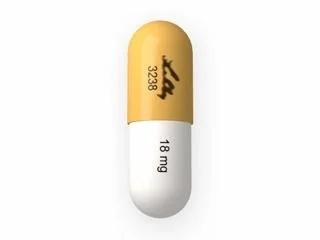
Atomoxetine is produced as a hard capsule. Strattera is listed in 10 mg, 18 mg, 25 mg and 40 mg strengths. Orders are prepared by pharmacy partners in India and shipped to Malaysia in discreet packaging.
Safety
Atomoxetine must not be used by anyone with a hypersensitivity to it, narrow-angle glaucoma, severe cardiovascular disorders or phaeochromocytoma, or alongside a monoamine oxidase inhibitor. People with pre-existing heart conditions should avoid it. Blood pressure and heart rate need monitoring during treatment, and children should be watched for suicidal ideation.
Common early effects include nausea, vomiting, reduced appetite and dry mouth. Insomnia, tachycardia, palpitations and irritability are also reported. Liver injury, arrhythmia and suicidal ideation are serious and need immediate medical attention.
Salbutamol, antihypertensives and monoamine oxidase inhibitors interact with atomoxetine. Use in pregnancy is not recommended unless clearly necessary, and breastfeeding suitability should be confirmed with a qualified clinician or pharmacist before use.
What the sources say
- The label carries a boxed warning that short-term studies in children and adolescents with ADHD showed a higher risk of suicidal ideation, and that this risk must be balanced against clinical need (DailyMed).
- Across 12 short-term trials pooled for the label, suicidal ideation was reported in 0.4% of patients on atomoxetine (5 of 1,357) and in none of 851 patients on placebo, with no suicides (DailyMed).
- Atomoxetine is not approved for major depressive disorder (DailyMed).
- Medicines that raise gastric pH, such as magnesium hydroxide, aluminium hydroxide and omeprazole, did not affect atomoxetine bioavailability (DailyMed).
Further reading
Last updated