Key points
- Betamethasone valerate is a potent synthetic glucocorticoid with anti-inflammatory, antipruritic and vasoconstrictive actions.
- The single-ingredient cream is used for psoriasis, eczema and dermatitis; the combination also covers dermatosis and tinea infections of the feet, groin and body.
- Prolonged use on the face should be avoided, and the cream should not get into the eyes.
What betamethasone is used for
Betamethasone topical is used for itching, redness, dryness, crusting, scaling, inflammation and discomfort of skin conditions. The treated skin may be itchy, red, dry, crusted or scaly, and the medicine targets the inflammation behind these signs. The valerate cream is used for psoriasis, eczema and dermatitis. The combination cream is used for dermatosis, tinea pedis, tinea cruris and tinea corporis. In that product, clotrimazole treats the fungal infection while betamethasone reduces the inflammation that comes with it. A fungal infection with inflammation may need the combination; a clinician can assess whether an antifungal is appropriate.
How betamethasone works
Betamethasone valerate is a potent synthetic glucocorticoid. It reduces the formation, release and activity of natural inflammatory mediators such as kinins, histamine and prostaglandins. This lowers swelling and discomfort in the skin. Its effects usually begin within 1 to 2 days and last 3 to 5 days. The action is mainly local where the cream is applied. Absorption into the body can rise with wide coverage, beneath an occlusive dressing or where the skin barrier is damaged. This is why the area covered and the length of use matter.
Creams and combinations
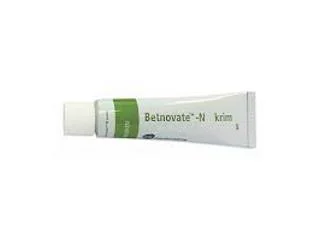
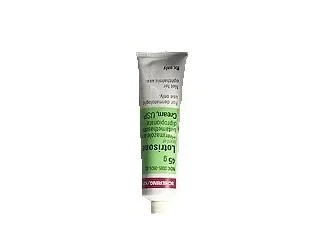
Betamethasone Valerate Cream is a 0.1% cream with betamethasone as its active ingredient. Betamethasone + Clotrimazole Cream is supplied in a 10g tube and combines betamethasone with clotrimazole. Both are cream formulations. The plain cream suits inflammatory conditions such as psoriasis, eczema and dermatitis. The combination is for dermatosis and tinea infections of the feet, groin or body. Using an antifungal when no fungal infection is present can encourage resistance or irritation, so the choice should follow a clinical assessment. Orders are shipped to Malaysia by pharmacy partners in India in discreet packaging.
Safety, side effects and interactions
Betamethasone should not be used by anyone with a known hypersensitivity to betamethasone. It is contraindicated in acne rosacea, perioral dermatitis and untreated skin infections. A steroid alone is not appropriate for active viral skin infections such as cold sores or chickenpox. A topical corticosteroid is not appropriate for a bacterial skin infection because it can hide the infection and delay diagnosis and treatment. Use with caution in psoriasis. Prolonged use on the face should be avoided, and contact with the eyes and mouth should be avoided. Do not swallow the cream. Avoid genital or rectal areas and skin creases or armpits unless a doctor directs otherwise. Apply with adequate ventilation. Skin in folds, the groin, armpits and on the face can take up more of the medicine, so these areas need extra care.
Minor reactions include skin irritation, burning and itching. Longer use can cause skin thinning, stretch marks and telangiectasia. Adrenal suppression and systemic absorption are serious effects that require immediate medical attention. Stopping suddenly may lead to rebound flares. The added antifungal in the combination can cause a local reaction of its own. Seek medical advice if the skin becomes worse, or if there is burning, swelling, redness or pus.
Children may grow more slowly or gain weight later than expected, so use with caution in children. In pregnancy, consult a specialist before use; if pregnancy occurs while using the medicine, contact a doctor immediately. When breastfeeding, avoid applying it to the chest area to prevent the infant from ingesting it.
Other medicines that change cortisol levels may increase the total steroid burden. A clinician should weigh benefits and risks during pregnancy, breastfeeding or treatment of an infant.
What the sources say
- Children using topical betamethasone may grow more slowly or gain weight later than expected. (MedlinePlus)
- Topical corticosteroids should not be used for bacterial skin infections, as they can hide the infection and delay diagnosis and treatment. (NCBI)
- Higher-potency topical corticosteroids can suppress the hypothalamic-pituitary-adrenal axis through absorption into the body. (NCBI)
- A person who becomes pregnant while using topical betamethasone should contact a doctor immediately. (MedlinePlus)
Further reading