Key points
- Colchicine limits the movement of neutrophils, the white cells that gather at urate crystals and release the chemicals behind redness, swelling and pain.
- It is prescribed for a gout attack that is already under way and, alongside urate-lowering treatment, to reduce the chance of further flares.
- Nausea, diarrhoea and abdominal pain are the usual complaints; vomiting can occur, and muscle pain or weakness needs immediate medical attention because muscle damage is a serious effect.
What colchicine is used for
Gout develops when urate crystals settle in a joint and provoke inflammation. Colchicine treats such an attack, and it is also given to prevent flare-ups when treatment begins with urate-lowering drugs such as allopurinol, probenecid or sulfinpyrazone. It is not recommended for children. More on the condition is on the gout page.
How colchicine works
Colchicine inhibits microtubule polymerisation inside neutrophils. Those cells respond less to urate crystals deposited in the joint, and the inflammatory reaction that produces pain and swelling is dampened.
Colchicine tablets
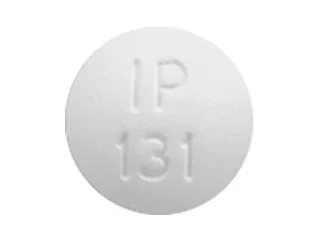
Colchicine is supplied as a 0.5mg tablet, taken daily as directed. Colchicine tablets reach Malaysia from pharmacy partners in India, shipped in discreet packaging.
Safety
Colchicine must not be used by anyone with severe kidney or liver problems, a severe blood disorder, or an allergy to colchicine, or by people undergoing haemodialysis. It is not recommended during pregnancy or breastfeeding, and colchicine passes into breast milk. Grapefruit and clarithromycin interact with it. Tell your doctor or pharmacist about everything you take, and report muscle pain promptly, since myotoxicity requires immediate medical attention.
What the sources say
- Colchicine tablets treat gout attacks and are also used to prevent flare-ups when treatment with allopurinol, probenecid or sulfinpyrazone is started (emc PIL).
- An effective dose and an overdose lie only slightly apart (emc PIL).
- Women who are breastfeeding are told not to take it, because colchicine passes into breast milk (emc PIL).
- A severe blood disorder, severe kidney or liver problems, or haemodialysis rules the medicine out (emc PIL).
Further reading