Key points
- Eflornithine blocks ornithine decarboxylase, the rate-limiting enzyme in polyamine synthesis, which cell division and hair follicle development depend on.
- Onset is given as 4–8 weeks, and ongoing use is required to keep the effect.
- It is not for children, and the cream must be kept away from the eyes.
What eflornithine is used for
Its use is hirsutism: hair on the face, including the chin, that a woman finds excessive or unwanted. It sits with other options in women’s health and skin care.
How it works
Eflornithine irreversibly inhibits ornithine decarboxylase, the enzyme that sets the pace of polyamine synthesis. Polyamines are needed for cell division and for hair follicles to develop, so blocking the enzyme slows regrowth and reduces hair density and thickness.
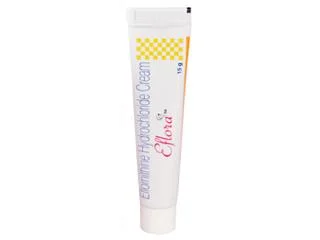
Eflornithine comes as a 13.9% cream in a tube, for external use only: eflornithine cream. Orders reach Malaysia from pharmacy partners in India in discreet packaging.
Safety
Do not use it if you are hypersensitive to eflornithine. Apply only to the face, keep it out of the eyes, and stop if irritation develops. Acne, redness, stinging and irritation are common; folliculitis, ingrown hairs, dry skin and alopecia also occur. Anaphylaxis needs immediate medical attention. Use in pregnancy only if strictly necessary, and take care while breastfeeding. Not for children.
What the sources say
- Eflornithine treats human African trypanosomiasis and was considered safer than melarsoprol, but cost and logistics kept the older drug in use for years (WHO).
- Combining it with nifurtimox (NECT) cut the dose and treatment time, lowering cost and easing distribution (WHO).
- WHO built a kit of the materials needed and ran training and distribution so the drug could be used in the field (WHO).
Further reading