
Metaxalone
Metaxalone is a skeletal muscle relaxant taken by mouth for short-term relief of muscle spasm and musculoskeletal pain. It acts through the central nervous system rather than directly on muscle fibres. The exact mechanism is not fully understood. Treatment is intended to be temporary, alongside measures such as rest and physical therapy.
Medicine containing Metaxalone
Key points
- Relief begins in about 1 to 2 hours, and effects generally last 4 to 6 hours.
- Metaxalone is not recommended for children under 12 years of age.
- In pregnancy, use only if clearly indicated because adequate data are not available; avoid breastfeeding unless a physician advises otherwise.
What it is used for
Metaxalone is used for short-term relief of muscle spasm and musculoskeletal pain. It may be considered within a broader pain management plan when rest and physical therapy alone do not provide enough relief. The aim is to reduce stiffness, pain and discomfort so that normal daily activity can be resumed. Treatment is intended for a short period, not long-term use.
How it works
Metaxalone produces general depression of the central nervous system. This central action is believed to ease pain associated with acute musculoskeletal conditions. It does not act directly on skeletal muscle fibres. The precise mechanism remains incompletely understood.
Forms and brands on MayChemist
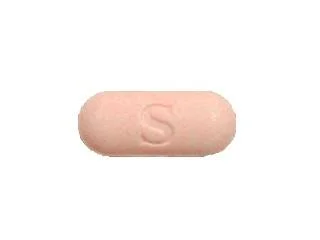
Skelaxin 400 mg tablets contain metaxalone. The dosage form is a tablet, taken by mouth. Pharmacy partners in India ship orders to Malaysia in discreet packaging.
Before you take it
Metaxalone should not be used by anyone with a known hypersensitivity to it, severe hepatic impairment, severe renal impairment or a history of drug-induced anaemia. Elderly patients should be treated with caution, and liver function parameters should be monitored.
Side effects and interactions
Drowsiness, dizziness, nausea and headache are common. Nervousness and irritability can also occur. Leukopenia, haemolytic anaemia and anaphylactoid reactions are serious side effects that require immediate medical attention. Alcohol and other central nervous system depressants can add to the sedative effect and increase drowsiness.
Further reading
Last updated