
Naltrexone
Naltrexone is an opioid antagonist. It is used in the treatment of alcohol dependence and to block the effects of opioids that enter the body from outside. The same ingredient appears with bupropion in a tablet for weight management. Because it acts at opioid receptors, treatment has to be planned around any opioids already in the body and around liver health.
Medicines containing Naltrexone
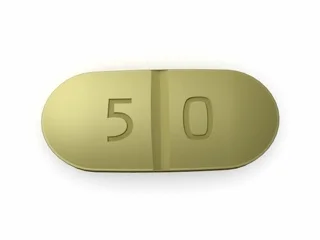
Naltrexone
Opioid Dependence, Alcohol Dependence
50mg
Naltrexone tablets help support recovery from alcohol dependence and opioid dependence by blocking opioid effects. It comes in one strength and several pack sizes. Each option lists its price per tablet.
Key points
- Naltrexone is an opioid antagonist. Its labelled uses are alcohol dependence and blockade of the effects of opioids taken from outside the body.
- Treatment must not start while opioids are still present, since withdrawal can follow. An opioid-free interval of at least 7 to 10 days is recommended after short-acting opioids, and up to two weeks after buprenorphine or methadone.
- With bupropion added, naltrexone is used for weight management in adults, alongside a reduced-calorie diet and increased physical activity.
What naltrexone is used for
Two dependence problems are named on the label. In alcohol dependence, naltrexone supports abstinence as one part of a wider treatment plan. In opioid dependence, it blocks the effects of opioids taken from outside the body. Both sit within the broader work of addiction recovery.
Naltrexone also has a role in weight management, where it is combined with bupropion for adults living with obesity.
How naltrexone works
Naltrexone is an opioid receptor antagonist. It competes for the receptor, so opioids taken from outside the body cannot produce their usual euphoric effect. The same competitive block reduces the reinforcing effect of alcohol, which assists abstinence.
Its effect begins within about 60 minutes and lasts around 24 hours.
Naltrexone tablets
Two tablet products contain naltrexone. Contrave 8/90 mg tablets combine bupropion with naltrexone for obesity. Naltrexone 50 mg tablets contain naltrexone alone and are used for opioid dependence and alcohol dependence.
Both are supplied as tablets. Orders are shipped to Malaysia by pharmacy partners in India in discreet packaging.
Safety
Naltrexone must not be used in acute hepatitis or liver failure, by anyone taking opioid analgesics, or by anyone with a positive screen for opioids. Liver function needs testing at intervals during treatment. The label warns of hepatic injury and advises stopping the medicine and seeking medical attention if symptoms of acute hepatitis appear.
Tolerance to opioids falls during treatment, so a dose that was previously tolerated may no longer be safe. Carrying medical alert identification is advised.
Nausea, headache, insomnia and anxiety are common. Abdominal pain, arthralgia and myalgia are also reported. Hepatotoxicity and depression are serious effects that require immediate medical attention.
Naltrexone interacts with opioids and with thioridazine, and it can block the effect of opioid pain relief and opioid cough medicines. In pregnancy it is used only if clearly needed; it is not recommended during breastfeeding and is not recommended for children.
What the sources say
- A naloxone challenge test or a urine screen for opioids can confirm that someone is opioid-free before treatment starts. (DailyMed)
- Cases of hepatitis and clinically significant liver dysfunction were recorded both during clinical development and after launch. (DailyMed)
- The naltrexone/bupropion combination contains bupropion, and carries the antidepressant-class signal of more suicidal thinking and behaviour among younger patients in placebo-controlled trials; suicidality events, including suicidal ideation, have been reported in patients of all ages since launch. (emc)
Further reading
Last updated