Key points
- Salmeterol keeps the airways open for several hours after a dose, so it is taken as regular maintenance rather than as a rescue medicine for sudden symptoms.
- Both inhalers listed here combine salmeterol with fluticasone, and both are used in asthma and COPD.
- Anyone using one of these inhalers should not add another LABA, including salmeterol, formoterol fumarate or arformoterol tartrate, for any reason, whether to prevent exercise-induced bronchospasm or to treat asthma or COPD.
What salmeterol is used for
Combination inhalers containing salmeterol and fluticasone are used for asthma and for chronic obstructive pulmonary disease. Salmeterol supplies the long-acting bronchodilator effect; fluticasone is the inhaled corticosteroid. Both conditions sit under Respiratory Health, with separate pages on Asthma and Chronic Obstructive Pulmonary Disease.
How it works
Salmeterol stimulates beta-2 receptors in the lungs. Activating these receptors relaxes the smooth muscle lining the bronchial tubes, so the airways narrow less easily. The effect is sustained over several hours, which is what separates it from a short-acting reliever.
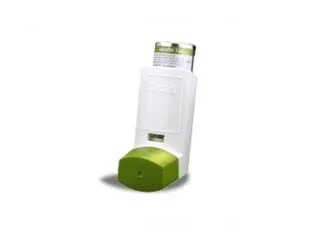
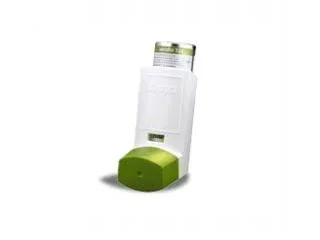
Two inhalers are listed here. Seroflo Inhaler is supplied in 25/125 mcg and 25/250 mcg strengths, and Fluticasone + Salmeterol in 250/50 mcg and 500/50 mcg. Each contains fluticasone and salmeterol and is used for asthma and COPD. Pharmacy partners in India prepare and ship orders to Malaysia in discreet packaging.
Safety
Salmeterol carries a boxed warning that long-acting beta2-adrenergic agonists increase the risk of asthma-related death, and these medicines also raise the risk of asthma-related hospitalisation in paediatric and adolescent patients. The combination should be used only for patients whose asthma is not adequately controlled on a long-term asthma control medication alone, or whose severity warrants both an inhaled corticosteroid and a LABA. Once control is achieved, treatment should be stepped down where possible; it is not meant for patients already controlled on low- or medium-dose inhaled corticosteroids.
Salmeterol can produce a clinically significant cardiovascular effect in some patients, as measured by pulse rate, blood pressure and symptoms. Excessive beta-adrenergic stimulation has been associated with seizures, angina, hypertension or hypotension, tachycardia at rates up to 200 beats per minute, arrhythmias, nervousness, headache, tremor, palpitation, nausea, dizziness, fatigue, malaise and insomnia. Beta-agonist medicines may also cause significant hypokalaemia in some patients, though the fall in serum potassium is usually transient and does not require supplementation.
What the sources say
- In a large placebo-controlled US study, 13 of 13,176 patients given salmeterol for 28 weeks died of asthma-related causes, against 3 of 13,179 on placebo, and the data are inadequate to show whether inhaled corticosteroids used at the same time reduce that risk. (DailyMed)
- Inhaled doses give low plasma concentrations, roughly 200 picogram/mL or less, and the technical difficulty of assaying the drug means pharmacokinetic data remain limited. (Seretide 50 Evohaler)
- An in vitro study using human liver microsomes found that salmeterol is extensively metabolised to alpha-hydroxysalmeterol by CYP3A4. (DailyMed)
Further reading