Montelukast
4 · 5 · 10mg
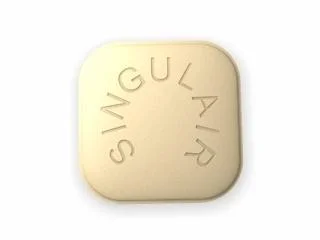
Montelukast is a leukotriene blocker tablet, with the price shown per tablet, in several strengths and pack sizes. It is for asthma and allergic rhinitis.
FromUS$1.08/ tabletView
Allergic rhinitis is irritation of the nose caused by an allergic reaction, often to pollen. It produces sneezing, an itchy or blocked nose and watery eyes. Symptoms can be close enough to a cold that the condition is mistaken for one, although it is an allergic reaction rather than an infection.
4 · 5 · 10mg
Montelukast is a leukotriene blocker tablet, with the price shown per tablet, in several strengths and pack sizes. It is for asthma and allergic rhinitis.
Airborne allergens set off a reaction in the lining of the nose. Dust mites and mould can keep symptoms going, particularly where humidity stays high. Reducing exposure to triggers can help, though it seldom controls symptoms by itself.
Sneezing, a runny nose that stays clear, a blocked nose and itchy or watery eyes are common. Some people have symptoms only after contact with a pet or with dust; others have them on most days. An itchy palate or ears can occur too.
Antihistamines ease sneezing, itchiness and watery discharge. Allegra tablets contain fexofenadine, and Periactin tablets contain cyproheptadine; both are antihistamines used for allergic rhinitis and urticaria. Montelukast tablets contain montelukast and are used for allergic rhinitis and asthma, so they can address both conditions when they occur together. A nasal corticosteroid spray can be combined with a daily antihistamine, and this may work better than either treatment alone. If symptoms continue, a different medicine may be needed. Pharmacy partners in India ship orders to Malaysia in discreet packaging.
Seek medical attention if symptoms continue despite treatment, if nasal blockage is confined to one side, if there is bloody discharge, if sense of smell is lost, or if there is severe facial pain. These patterns may point to a structural problem or another diagnosis rather than simple allergy. Rhinitis is rarely dangerous.
Last updated