
Cyproheptadine
Cyproheptadine is a first-generation antihistamine that causes drowsiness, taken by mouth for allergy symptoms driven by histamine. Apart from histamine, it acts on serotonin and acetylcholine receptors, so its reach is wider than that of newer, more selective antihistamines. It is used for allergic rhinitis and for itchy skin reactions such as urticaria.
Medicine containing Cyproheptadine
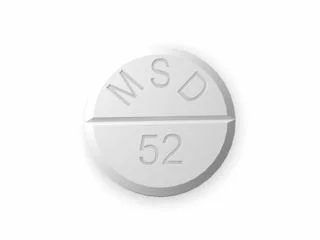
Key points
- It blocks histamine, serotonin and acetylcholine receptors, which gives it a broader action than newer antihistamines.
- It eases nasal allergy symptoms and calms the itching of urticaria.
- Drowsiness is common, so note how you respond before driving or doing anything that needs full attention.
What it is used for
Cyproheptadine relieves the symptoms of allergic rhinitis, such as sneezing, a blocked nose and watering eyes. It is also taken for urticaria, where raised, itchy patches form on the skin. In both cases it works by dampening the allergic response at receptor level.
How it works
The medicine competes with histamine and serotonin at their receptor sites. Blocking histamine reduces the inflammation and allergic symptoms that follow histamine binding, and the antiserotonergic action adds to this. Cyproheptadine also has pronounced anticholinergic effects. Its action usually starts within 15 to 30 minutes and lasts around 4 to 6 hours.
Forms and brands
Cyproheptadine is supplied as a tablet. Periactin 4mg tablets contain cyproheptadine and are used for allergic rhinitis and urticaria. The cyproheptadine ingredient page covers the medicine itself, and the allergy relief category holds other options. Orders are prepared by pharmacy partners in India and shipped to Malaysia in discreet packaging.
Safety
Cyproheptadine is contraindicated in people with a hypersensitivity to it, in narrow-angle glaucoma and in urinary retention, and it is contraindicated in elderly and debilitated patients. It can cause significant drowsiness, so take care when driving. Use in children needs caution, and the medicine should be avoided in pregnancy and while breastfeeding.
Common effects include drowsiness, dry mouth and dizziness. Blurred vision, constipation and urinary retention can also occur. Anaphylaxis and seizures are serious reactions that require immediate medical attention.
Alcohol, MAO inhibitors and sedatives interact with cyproheptadine, and alcohol or other central nervous system depressants can make the sedation stronger.
What the sources say
- Antihistamines are contraindicated in nursing mothers, since infants face a higher risk, and newborns and premature babies in particular. (DailyMed)
- Elderly patients are more prone to dizziness, sedation and hypotension from antihistamines. (DailyMed)
- In an elderly patient, dose selection should be cautious and usually begins at the low end of the dosing range. (DailyMed)
Further reading
Last updated