
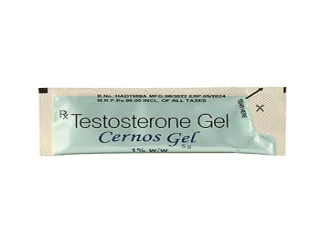
Testosterone Topical 1%
1%
Testosterone topical gel is supplied in sachets for hypogonadism and applied to the skin. It comes in a single strength; pack sizes vary. You can compare the price per sachet across options.
FromUS$8.24/ sachetView
Hypogonadism means the testes or ovaries do not make enough sex hormones. In men it is usually a matter of persistently low testosterone. It may appear at any age, though it becomes more common as men get older and is recognised more often in those with type 2 diabetes or obesity.
1%
Testosterone topical gel is supplied in sachets for hypogonadism and applied to the skin. It comes in a single strength; pack sizes vary. You can compare the price per sachet across options.
Testicular damage can follow trauma, mumps infection or a genetic condition such as Klinefelter syndrome. If signalling from the pituitary or hypothalamus is disrupted, a tumour, iron overload or long-term use of some medicines may be responsible. These cases are classed as secondary hypogonadism.
Low testosterone can reduce energy and libido, lower mood, and affect bone density and muscle mass.
Testosterone replacement brings hormone levels back into the normal range. Fatigue and sexual function may improve gradually, with meaningful change often within a few months. Bone and muscle health are supported over time. Testosterone Topical 1% comes as a sachet containing testosterone. Pharmacy partners in India ship to Malaysia in discreet packaging.
A morning blood test for testosterone, LH and FSH distinguishes primary from secondary hypogonadism and guides treatment. During long-term replacement, checks should cover prostate health, haematocrit and hormone levels. Men with ongoing low energy, reduced libido, low mood, bone changes or muscle loss should seek medical assessment.
Last updated