
Multiple Sclerosis
Multiple sclerosis (MS) is a long-term condition in which the immune system attacks the myelin sheath protecting nerve fibres in the brain and spinal cord. Signals travelling along those nerves are disrupted, and the symptoms that follow differ greatly from person to person.
Medicine used to treat Multiple Sclerosis
Key points
- Myelin damage interrupts signalling along nerve fibres, and the symptoms it causes vary widely between people.
- Relapsing-remitting MS is the most common pattern, with episodes of new symptoms that later ease; progressive forms build up gradually without clear relapses.
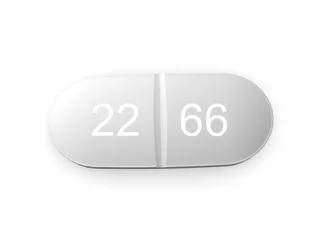
- Stiffness and spasms of muscle are common and can disturb walking and sleep; baclofen is an established medicine for easing this tightness.
Damage to nerve fibres
Where myelin is stripped from nerves in the brain and spinal cord, signals are no longer carried cleanly. Because damage can sit in different places, no two people notice exactly the same set of symptoms. MS most often first appears between the ages of 20 and 50.
Symptoms
Which nerves are affected decides what a person notices. Numbness or tingling in the arms and legs, fatigue, muscle weakness, blurred or double vision, balance trouble and bladder difficulties are all common. Stiffness and spasms, known as spasticity, are particularly frequent.
Easing spasticity
Spasticity can make walking tiring and disturb sleep. Baclofen is a well-established muscle relaxant for this tightness in MS, and baclofen tablets come in 10 mg and 25 mg strengths. Approaches to persistent pain are grouped under pain management. Pharmacy partners in India ship orders to Malaysia in discreet packaging.
When to get medical help
Sudden loss of vision, new weakness down one side, or symptoms that worsen quickly need prompt medical review, since they may signal a relapse that should be treated early.
Further reading
Last updated