
Baclofen
Baclofen is a muscle relaxant used to calm spasticity, the stiffness and involuntary spasms that come with certain neurological conditions. It acts inside the central nervous system, on the nerve signals that keep muscles contracted, rather than on the muscle fibres themselves. Tablets are available in 10 mg and 25 mg strengths.
Medicine containing Baclofen
Key points
- Baclofen is a GABA-B agonist, a muscle relaxant that works through the nervous system.
- It is used for spasticity caused by multiple sclerosis, spinal cord injury and other neurological problems.
- Treatment should not be stopped suddenly; any change is managed with the doctor who prescribed it.
What baclofen is used for
Baclofen treats muscle spasticity: tightness and painful spasm that make movement awkward, disturb sleep and reduce everyday comfort. It is commonly used in multiple sclerosis and spinal cord injury, and for spasm arising from other neurological conditions. The aim is to control spasm while keeping drowsiness and weakness to a minimum.
Very severe spasticity that does not respond to tablets is sometimes managed with an implanted pump that delivers the medicine directly. In these cases the tightness comes from faulty nerve signalling rather than from the muscle itself, which is why a medicine that acts on the nervous system can help.
How it works
Baclofen binds to GABA-B receptors in the spinal cord. GABA is a neurotransmitter that quietens nerve activity, and baclofen is an agonist at these receptors, so it activates the same calming pathway. Doing so suppresses both monosynaptic and polysynaptic reflexes, the reflex circuits that keep muscles tight. With that drive reduced, muscle tone falls and sudden spasms become less frequent. Effects usually begin within 30 to 60 minutes and last around 4 to 8 hours.
Tablets and strengths
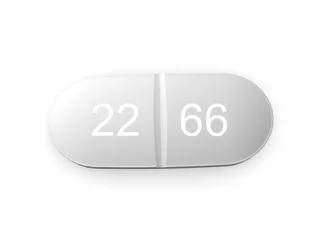
Baclofen tablets are supplied as a generic medicine in 10 mg and 25 mg strengths, and are used for muscle spasticity, multiple sclerosis and spinal cord injury. Lioresal is the original brand name for baclofen, and generic versions contain the same active compound. Baclofen is also made as an oral solution and an oral suspension, which can suit people who find tablets hard to swallow or who need a fine adjustment in dose.
Orders are prepared by pharmacy partners in India and shipped to Malaysia in discreet packaging.
Before you start
Baclofen is not suitable for anyone with a peptic ulcer. Tell your doctor about kidney problems, a history of seizures or any psychiatric condition before treatment begins. The kidneys clear the medicine from the body, so reduced kidney function can let it build up. Anyone with a known allergy to baclofen, or to the inactive ingredients in the tablet, should not take it.
In pregnancy, baclofen is used only if clearly necessary. During breastfeeding it can be used with caution while the infant is monitored. Elderly people need cautious use.
Side effects and interactions
Common reactions include drowsiness, dizziness and nausea. Muscle weakness, fatigue, headache and confusion are also reported. They tend to be most noticeable when treatment starts or the dose goes up, and many ease as the body adjusts. Reactions of this kind are generally dose-related.
Respiratory depression and hallucinations are serious effects that need immediate medical attention. Baclofen may impair coordination. Do not stop taking it abruptly; your doctor should manage any change.
Alcohol and other sedating medicines add to drowsiness and can slow breathing, so review your full medication list with your doctor.
Further reading
Last updated