
Respiratory Tract Infection
A respiratory tract infection is an illness of the airways. It can involve the nose and throat, the sinuses, or the bronchi and lungs. Upper tract infections often settle without treatment, while lower tract infections carry a higher chance of bacterial involvement and need closer attention.
Medicines used to treat Respiratory Tract Infection

Vibramycin
100mg
Vibramycin is doxycycline, a tablet used for acne vulgaris, chlamydia trachomatis, Lyme disease, respiratory tract infection and malaria prophylaxis. It comes in one strength. You see the price per tablet for each option.
Key points
- Most respiratory infections are viral and clear without antibiotics; severe, one-sided or persistent symptoms beyond 10 days suggest a bacterial cause.
- Doxycycline and roxithromycin are used against atypical pathogens, including Mycoplasma, which often causes chest infections outside hospital.
- Ciprofloxacin may be chosen when Gram-negative bacteria are suspected, while cefpodoxime provides wider cover for more resistant infection.
What the infection involves
The upper respiratory tract includes the nose, throat and sinuses; infections here include colds, sinusitis and pharyngitis. Lower tract infections include bronchitis and pneumonia. Viruses cause most cases. Bacteria become more likely when illness is severe, localised, or fails to improve after 10 days.
Symptoms and treatment
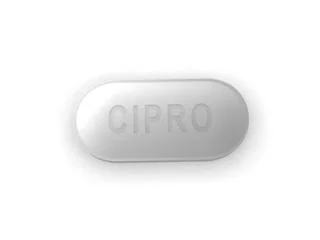
A productive cough with discoloured sputum, one-sided sinus pain, or symptoms that persist can point to bacterial infection. When antibiotics are needed, the likely organism guides the choice. The ingredient doxycycline is available as Vibramycin 100 mg tablets and covers atypical pathogens. Ciprofloxacin is used where Gram-negative bacteria are suspected and comes as Cipro tablets in 250, 500, 750 and 1000 mg strengths. Roxithromycin is another option for atypical organisms; cefpodoxime offers broader cover in more resistant infection. Pharmacy partners in India ship orders to Malaysia in discreet packaging.
When to seek medical help
Seek prompt assessment for difficulty breathing, chest pain, coughing up blood, confusion, or a fever that stays high. These signs may mean the infection has reached the lower airways and should be assessed by a clinician, not managed at home.
Further reading
Last updated