
Gabapentin
Gabapentin is an anticonvulsant medicine. It is used to control certain types of seizure in epilepsy and to ease nerve pain that follows conditions such as diabetes, shingles or injury. A dose keeps working for roughly six to eight hours, so it is taken on a regular schedule.
Medicine containing Gabapentin
Key points
- Gabapentin attaches to the alpha-2-delta subunit of voltage-gated calcium channels and changes how much excitatory neurotransmitter nerve cells release.
- Drowsiness and dizziness are common, and driving or using machinery should be avoided if either occurs.
- Alcohol, antacids and morphine all interact with gabapentin.
What gabapentin is used for
Gabapentin has two main uses. In epilepsy, it is given alongside other treatment to reduce how often seizures happen. In neuropathic pain, it is used for nerve pain arising from diabetes, shingles or injury.
How it works
Gabapentin is a GABA analogue, built to resemble the neurotransmitter GABA, but it does not act directly on GABA receptors. Instead it binds the alpha-2-delta subunit of voltage-gated calcium channels, which moderates the release of excitatory neurotransmitters. Effects usually build over one to two weeks.
Forms and brands
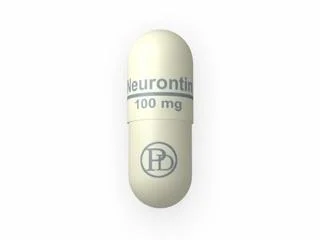
Neurontin tablets contain gabapentin in 100 mg, 300 mg, 400 mg and 600 mg strengths and are used for epilepsy and neuropathic pain. Gabapentin is classed under neurology. Orders are shipped to Malaysia by pharmacy partners in India in discreet packaging.
Safety
Gabapentin should not be used by anyone with a hypersensitivity to it. It can cause drowsiness, and treatment should not be stopped abruptly. If dizziness occurs, driving and machinery should be avoided.
Common effects are dizziness, somnolence, fatigue and nausea. Less common ones include peripheral oedema, ataxia and tremor. Respiratory depression, suicidal ideation and anaphylaxis are serious and need immediate medical attention. Alcohol, antacids and morphine interact with it. In pregnancy it is used only when the potential benefit outweighs the risk to the foetus; breastfeeding suitability should be confirmed with a qualified clinician or pharmacist. It is used in children from six years for epilepsy.
What the sources say
- Gabapentin belongs to a class of medicines called anticonvulsants (MedlinePlus).
- Some people can become addicted to gabapentin, and the dose is reduced gradually on stopping to avoid withdrawal symptoms (NHS).
- Around 1 in 500 people who took anticonvulsants such as gabapentin during clinical studies became suicidal, sometimes within a week of starting (MedlinePlus).
- Reported severe reactions include Stevens-Johnson syndrome, angioedema, rhabdomyolysis and withdrawal seizures when the medicine is stopped abruptly (StatPearls).
Further reading
Last updated